




Righteous vs Rival Streetwear Brands: How Does the Label Compare?
People shopping streetwear during 2026 have more choice than ever, and so much variety makes weighing the alternatives essentially mandatory before spending. Question five random buyers what makes up “good streetwear” and you will get five different answers involving silhouette, cloth density, how often drops land, or the story behind the label. This piece maps out where We Are Righteous fits into this debate, using concrete details rather than vague praise. We will look at what the Righteous clothing brand delivers in practice, how it stakes its claim against competing brands in the category, and what recurring themes show up in a typical Righteous review. Nothing made up, no guessing at figures — just an honest read on how Righteous stacks up when you are deciding where to put your budget.
The Substance Behind What We Are Righteous Really Means
The brand shaped its brand persona around one straightforward idea: garments ought to carry substance without being loud about it. Righteous’s clothing range leans on clean graphics, considered typography, and a tone that feels more intentional than trend-chasing. It’s significant since most streetwear companies follow a formulaic template — borrow a hot silhouette, brand it quickly, push it out fast. Righteous clothing opts for a more measured process, which shows up in the way pieces are described and marketed rather than pushed out in rapid, frequent drops.
Even the name the brand chose sends a message. “We Are Righteous” as an identity choice is far from understated, and it’s a deliberate choice. Streetwear culture has always treated wording as a status marker, and this label carries that legacy forward by treating its name as a proclamation, not a mere label. Shoppers researching “we are righteous brand” online will typically find a lineup built around tees with graphics, hoodies, and outerwear that come across as thoughtful instead of forgettable.
Compare that to brands built purely on hype cycles — the kind that depend on artificial scarcity and markup resale to build noise. Righteous does not appear to chase that same playbook as aggressively, we are righteous which transforms the entire customer relationship. Purchases happen out of genuine liking for the item, not resale intent. This single difference divides a segment of the market into opposing sides, and Righteous leans toward the side favoring everyday wear over speculation.
The Righteous Hoodie as a Closer Look
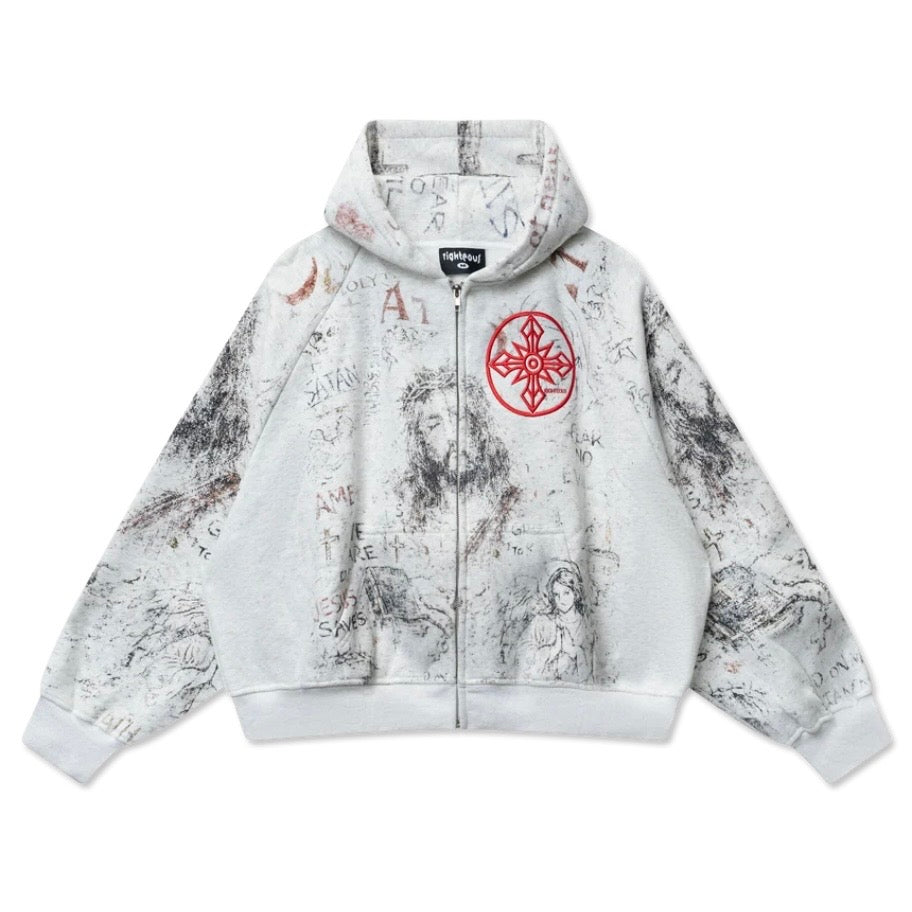
When it comes to judging any streetwear brand, the hoodie is the most revealing product, since it reveals the full truth behind construction priorities. A brand may dress up a t-shirt with inventive print work, but a hoodie gives away flimsy stitching, thin fleece, and a careless cut within the very first laundering. In any Righteous review, the hoodie line surfaces often, because hoodies still serve as the anchor product for the bulk of streetwear lines, Righteous among them.
What shoppers tend to flag in reviews is consistent sizing and where the graphics sit — the exact spots where budget streetwear brands often take shortcuts. A hoodie that shrinks unevenly or prints that crack after a handful of washes will tank a brand’s reputation faster than almost anything else. Righteous’s approach to its hoodie drops signals careful attention around these issues, establishing the product as a long-term closet essential rather than a one-season impulse buy.
Worth mentioning is the fact that hoodie pricing across streetwear swings dramatically — certain labels fall into the budget tier, while others climb into higher-end territory north of $150 per piece. Without a fixed price point published here, the fair comparison point is positioning: Righteous markets itself as accessible streetwear with intentional design, not as a near-luxury brand chasing four-figure resale value. That stance means it faces off with a specific market tier rather than everything at once.
How Righteous Stacks Up Against Other Streetwear Brands
Below, the table maps out the factors that matter most to streetwear buyers: design ethos, product focus, drop frequency, and community vibe. These are the factors that actually predict whether you will be happy with a purchase six months later, not just on unboxing day.
| Category | We Are Righteous | Hype-Driven Streetwear Brands | Mass-Market Streetwear Brands |
|---|---|---|---|
| Design Approach | Purpose-led design with a steady brand voice | Chasing trends with a logo-first focus | Replication of viral trends |
| Main Product Focus | Hoodies, printed tees, and outerwear pieces | Limited-run collabs and exclusives | Broad catalog, low differentiation |
| Release Cadence | Considered, less rushed | Regular limited-quantity releases | Nonstop, high-volume restocking |
| Resale Emphasis | Minimal emphasis | Core to how the brand operates | Rarely applicable |
| Community Tone | Values and identity-based | Built around status and access | Price-based, low loyalty |
One clear takeaway from this table is this: Righteous isn’t competing to win the same contest as hype-driven labels chasing resale markups, nor is it competing on the lowest possible pricing against mass-market streetwear brands. It occupies a middle lane — identity still matters, but so does making pieces people will actually wear on repeat. That middle lane is underserved in a market that often forces shoppers into choosing between “overpriced hype” and “cheap and forgettable.”
What You’ll Typically Find in a Righteous Review
Reviews are where marketing claims get tested against reality, with recurring themes surfacing again and again throughout Righteous’s customer feedback. First, people comment on the brand’s tone — the tone reads as unlike most streetwear brands, favoring a principle-led identity over surface-level style. The second theme is fit and sizing, a topic that surfaces regularly, as is typical for any label offering hoodies and outerwear, since differences in body shape make fit a matter of personal judgment.
Third, and this is the point at which a we are righteous review usually drills into detail, customers discuss whether the graphic work and print quality stand the test of time. Streetwear customers are notably focused on this detail because they have been burned before by brands whose prints lift or wash out within a dozen washes. The recurring takeaway from most reviews is that Righteous makes durability and print quality a stated priority, which echoes the brand’s unhurried, purposeful approach to releases referenced previously.
Fourth, shipping and customer service experiences shape review sentiment as much as the product itself — this holds true industry-wide, not just for Righteous. A shopper who loves a hoodie but has a rough delivery experience will often leave a mixed review, which is why judging any streetwear brand purely on product photos is incomplete. Reading a range of reviews rather than a single glowing or scathing one gives a far more accurate picture of what to expect.
The Righteous Clothing Spot in the Urban Fashion World of 2026
The streetwear industry in 2026 is more divided than it was half a decade back. On a weekly cadence, micro-labels launch via social channels, while established labels battle for shelf space in multi-brand boutiques; at the same time, secondary markets have turned scarcity into a promotional device rather than an incidental result of small runs. Against that backdrop, Righteous clothing brand’s more measured stance is notable precisely because it doesn’t lean on every hype-driven maneuver available.
This matters practically for buyers. If you’d rather own a hoodie that survives two winters than one that fades after a single season, a label that isn’t chasing pure launch-day hype is the wiser pick. If what you’re after is resale value or collector cachet, Righteous probably isn’t gearing its identity toward that audience — and that’s a sensible distinction to understand prior to buying rather than in hindsight.
The comparison ultimately comes down to what you are shopping for. The streetwear world has divided into a handful of separate sub-categories: clout-chasing hype culture, budget-driven fast fashion, as well as in-between labels built around identity. People looking up “righteous” or “we are righteous brand” online will discover a consistent story rather than a disjointed catalog trying to keep up with every trend at once, because We Are Righteous fills that third space with a clear enough voice.
For anyone weighing Righteous apparel against competitors, the smartest approach is treating this comparison as a starting point, not a final verdict. Read current reviews, check fit notes on the product pages you’re actually considering, and weigh that information against what matters most to you — whether that’s construction quality, brand values, or simply finding a hoodie that will still look good next winter.